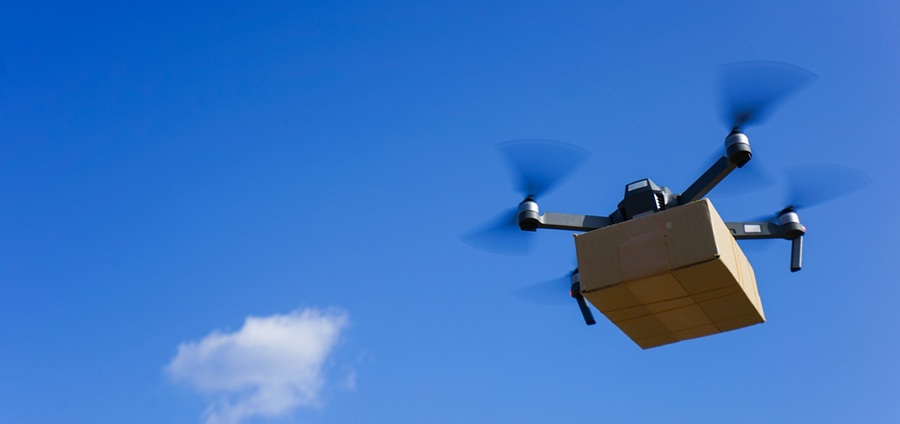
Drone Design and Go-or-No-Go Decisions: Understanding Sonoran Desert Institute Cost for Weather-Driven Delivery Operations
What does the Sonoran Desert Institute cost for students preparing to work in regulated aviation and drone logistics fields? In delivery aviation, weather determines permission to fly long before an aircraft leaves the ground. Heat, wind, and rain impose physical limits that small delivery aircraft must respect, regardless of automation or route optimization. As drone delivery transitions from experimental trials to routine service, knowing when not to fly has become as important as the capability to fly itself. The Sonoran Desert Institute (SDI), accredited by the Distance Education Accrediting Commission (DEAC), tracks how operators increasingly design aircraft and operational procedures around environmental constraints. Weather-driven go-or-no-go decisions now influence reliability, approval confidence, and cost modeling across delivery networks.
Unlike ground vehicles, aircraft are exposed to the full force of atmospheric conditions. Small rotors, lightweight frames, and battery-powered systems magnify the effects of weather. Go-or-no-go decisions are based on physics rather than preference, and these decisions ultimately determine safety, reliability, and cost across delivery networks.
Heat Tests Materials and Power Systems
High temperatures stress delivery aircraft in several ways. Heat lowers air density, reducing lift and forcing rotors to work harder to maintain hover. Motors draw more power, accelerating battery drain during flight and release. At the same time, elevated temperatures challenge lithium battery chemistry, increasing internal resistance and long-term wear. Designers respond by selecting materials and components rated for sustained heat exposure. Battery management systems continuously monitor pack temperature, limiting discharge current once defined thresholds are reached.
Operators adjust their schedules to these realities. In hot regions, flights typically pause during the peak afternoon heat and resume during the cooler morning and evening hours. These controlled service windows protect equipment and maintain predictable delivery rather than risking power loss mid-flight. Ground infrastructure matters as well. Charging stations require ventilation and shading to prevent heat buildup during recharge.
Wind Reshapes Aerodynamic Margins
Wind introduces constant variability. Headwinds increase energy consumption, while crosswinds affect stability during hover and release. Gusts create rapid changes that test control systems and pilot oversight. Small rotors fight physics when wind speeds rise. As gusts approach validated limits, aircraft expend more energy holding position, draining batteries faster than planned. Hover time lengthens, compounding the effect.
Designers mitigate this issue through control algorithms tuned for gust response and extensive testing across various wind profiles. These tests establish operating envelopes documented in manuals and enforced through dispatch systems. Operators compare aviation forecast feeds with rooftop anemometer readings to capture conditions at launch sites. Flights pause automatically when predictions cross defined thresholds, protecting hardware and delivery commitments.
Rain Challenges Motors and Sensors
Precipitation presents risks tied to moisture and visibility. Water can overload motors, alter aerodynamics, and obscure sensors used for navigation and landing verification. Ingress protection ratings guide design choices. Aircraft rated for drizzle still face limits as rainfall intensity increases. Engineers validate components under controlled conditions, defining safe operating ranges rather than relying on broad assumptions.
Operators enforce these limits using measurable criteria. Rooftop dendrometers track rainfall intensity, grounding flights when rates exceed validated thresholds. This discipline aligns real-world practice with documented limits subject to audit.
Design Reflects Climate Realities
Aircraft design varies by region. In desert environments, heat tolerance and battery cooling are top priorities. In coastal areas, moisture sealing and corrosion resistance are more important. Wind-prone regions demand robust control authority and additional energy reserves.
Manufacturers balance these needs against weight and cost. Added protection increases mass, reducing range. Designers tailor features to expected conditions, guided by route planning and service areas. Operators that misjudge climate realities face grounded fleets or accelerated wear and tear. Those who design for local conditions gain reliability and longer equipment life.
Economic Impact of Weather Discipline
Weather constraints shape cost modeling. Flights grounded by heat or wind reduce daily volume, affecting revenue projections. Ignoring limits incurs higher costs through damage, downtime, and lost trust.
Predictable weather gates allow firms to plan capacity realistically. Customers learn service windows, and operators maintain consistency. This reliability supports route density and repeat use. Insurance considerations follow. Demonstrated adherence to weather limits lowers risk profiles, supporting favorable terms. Documentation linking decisions to data reinforces these assessments.
Workforce Readiness in Variable Conditions
Managing weather-driven flight decisions requires personnel who understand both system alerts and the physics behind them. Pilots and supervisors interpret temperature limits, wind thresholds, and precipitation data surfaced by dispatch systems. At the same time, technicians maintain sensors and data feeds that inform go-or-no-go logic. Accuracy and consistency in these inputs directly affect safety and reliability.
Education planning reflects this complexity. Students exploring aviation technology and logistics careers seek programs that address systems management, environmental data interpretation, and operational decision-making under regulatory oversight. Sonoran Desert Institute cost becomes part of this evaluation as learners compare online options aligned with regulated, weather-constrained delivery operations rather than general flight activity.
Community Expectations and Transparency
Residents notice weather-driven behavior. Flights that pause during storms or heat waves signal caution rather than failure. Clear communication frames these pauses as safety measures. Transparency supports acceptance. Operators publish service guidelines outlining weather limits, reducing confusion when deliveries pause. Communities value predictability over constant availability.
Noise also ties into the weather. Wind and heat affect rotor speed and sound profiles. Efficient planning reduces hover time, limiting disturbance during marginal conditions.
Documentation Anchors Design to Oversight
Weather constraints appear throughout regulatory documentation. Manuals describe operating envelopes, sensor inputs, and decision logic. Inspectors review whether aircraft and dispatch systems enforce these limits. Updates follow operational learning. As data reveals patterns, operators adjust thresholds and revise manuals. This cycle supports continuous improvement within approved frameworks.
Physics Defines Permission to Fly
In delivery aviation, go-or-no-go decisions rest on physics rather than ambition. Heat, wind, and rain impose limits that design and discipline must respect. Aircraft built and operated within these bounds to deliver reliably across seasons.
For operators, weather-aware design protects safety and scale. For workers, it defines the required knowledge and skills essential to their role. Education choices align with this reality, with cost transparency supporting informed planning. Sonoran Desert Institute cost considerations align with broader evaluations of programs that are regulated and driven by data. As delivery aircraft become familiar sights, success depends on knowing when to wait. Designing for weather turns restraint into strength, keeping the last mile dependable under changing skies.