How do curing practices contribute to THCA flower consistency?
What does curing actually do?
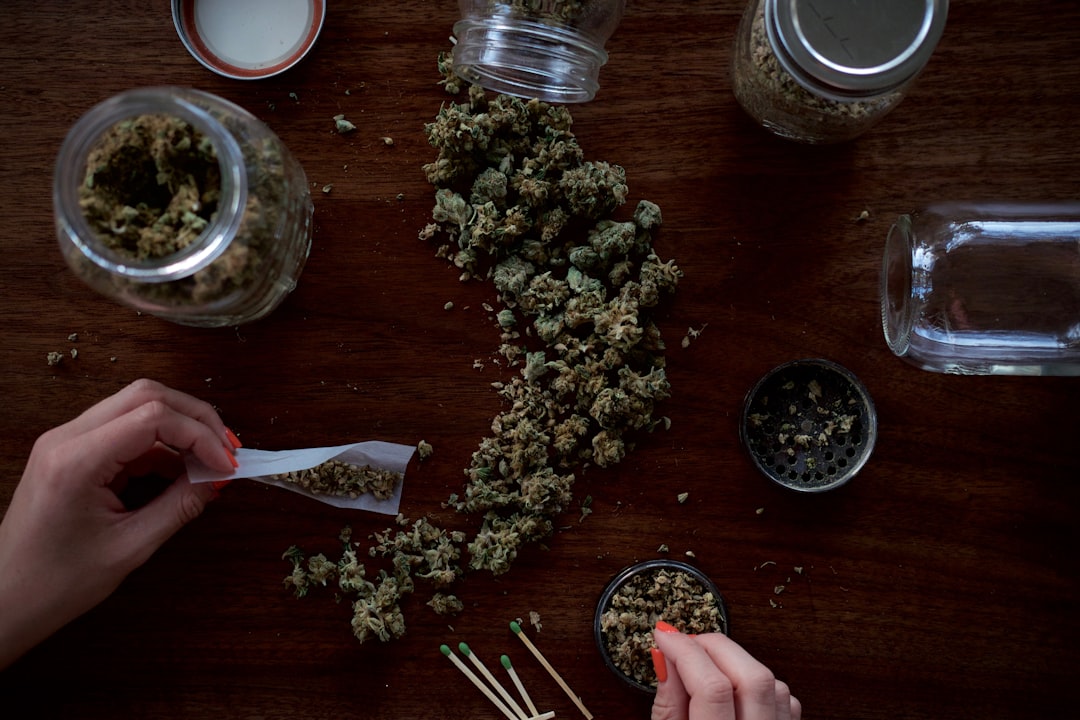
Curing turns raw, freshly cut buds into something stable enough to hold up under repeated inspection. It isn’t just extra drying, it’s the stage that builds reliability into the flower rather than simply preserving whatever came off the plant. Fresh cut buds carry moisture unevenly, damp near the core, drier close to the surface. Sealed jars pull that dampness out slowly and spread it evenly throughout, which keeps texture from swinging wildly between harvests. Chlorophyll breaks down gradually during this stretch too, softening the sharp, grassy edge fresh flowers carry, and that breakdown shapes flavour directly rather than acting as a minor detail. Anyone planning to buy THCA flower later on is really judging how well this exact stage was handled, since curing standardises burn quality and smoothness across every container. Jars get opened periodically to release built-up gas and let fresh air in. Growers call it burping on a fixed schedule rather than an irregular one, and repeating that step identically each cycle is one of the clearest ways this process delivers reliable results instead of leaving outcomes to chance.
Why timing controls outcome?
Duration is the single biggest lever growers hold over how a harvest ultimately turns out.
A short cure leaves chlorophyll and sugars mostly intact, so the flower stays harsh and grassy, while a properly timed stretch breaks those down fully and evens things out across the whole harvest. Running too long swings matters the opposite direction, terpenes fade unevenly, and the flower loses the character that the process was meant to lock in. Holding a fixed window, most experienced growers land somewhere between two and eight weeks, which removes much of that guesswork, and that fixed range is really the mechanism behind predictable results rather than something achieved by luck.
A few signs show that the duration is landing correctly:
- Buds spring back the same way under gentle pressure across every container.
- Scent turns cleaner and less sharp at roughly the same point each cycle.
- Colour deepens evenly, without grey patches appearing on some containers but not others.
Uniformity across harvests
Reliable results come mostly through repetition, running identical curing steps every single harvest rather than adjusting by feel each time.
Matching humidity targets and matching duration across every container removes variation that would otherwise creep in between harvests grown weeks apart. Checking bud density before sealing matters here too, since denser buds trap moisture longer and need slightly different timing than looser ones within the same batch. Growers logging humidity readings, container type, and days elapsed during the cure can point to exactly which variable shifted if the flower ever comes out different, which turns curing into something that actively corrects toward stability rather than one that hopes for it.
Where does the inconsistency start?
Most flower that turns out unevenly trace back to one skipped or altered step somewhere inside the process itself, not to anything happening before or after it.
Skipping a scheduled burp lets gas and moisture build unevenly inside the jar, so one side of a batch cures faster than the other. Mixing buds of different densities into the same container without adjusting timing creates the same problem; denser clusters stay underdone while looser ones finish early. Once one container in a harvest drifts from the standard window, it stops matching the rest, and that single deviation is usually enough to make an entire batch taste or smoke differently than the one before it.